Having a broad expertise is great in life, but terrible for LinkedIn.
You can do many things. But what do you want to be known for?
“I don’t want to choose.”
That’s what people say when we talk about their niche.
I get it. Most people who come to me are experienced and adaptable.
Who built a career by doing one specific thing? You love many things.
When LinkedIn advice says to go niche, it can feel like erasing half of your expertise.
On this platform, a niche is about being easy to place.
LinkedIn is crowded. The EU bubble is crowded. LinkedIn is not where you explain every dossier, every project you can handle. It is where a client, journalist, an MEP, or another stakeholder decides, in seconds, if you are the relevant person for a specific conversation.
If you list "ESG, digital policy, trade, competition, and maritime," you sound hard to place. When people cannot place you, they scroll. When LinkedIn's algorithm cannot place you, it hides your posts.
The solution?
Choose one recurring problem you are known for fixing and make that visible. That problem is your entry point. Once people are in your world, you can show them the rest.
Ask yourself: What do I want to be the go-to person for? Known for?
🧬 To help you find this niche, your entry point, I created the 20-Minute Niche Diagnostic. It helps you spot patterns in your work so you can define it. Save it for when you’re ready to get serious about LinkedIn. 💾
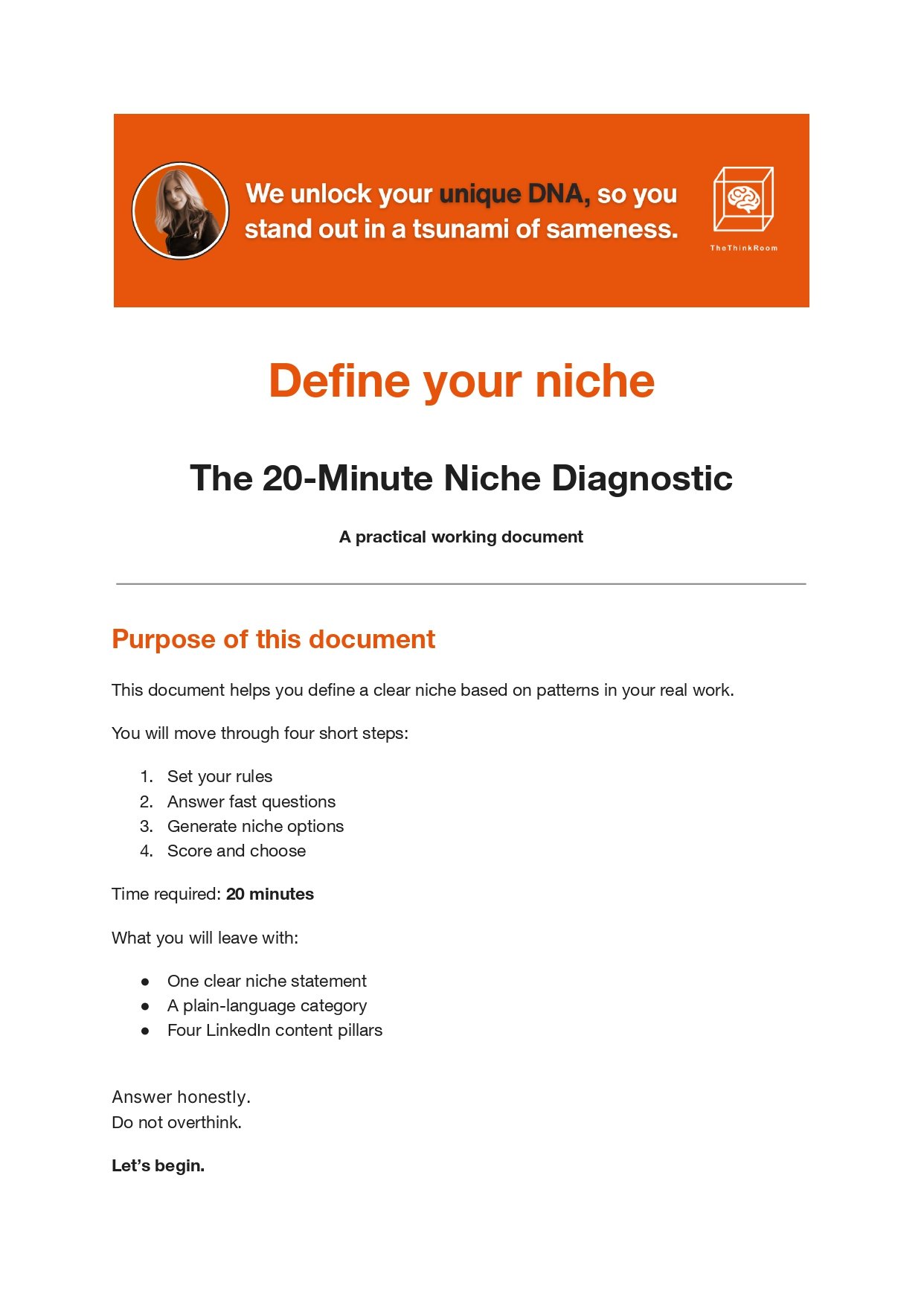
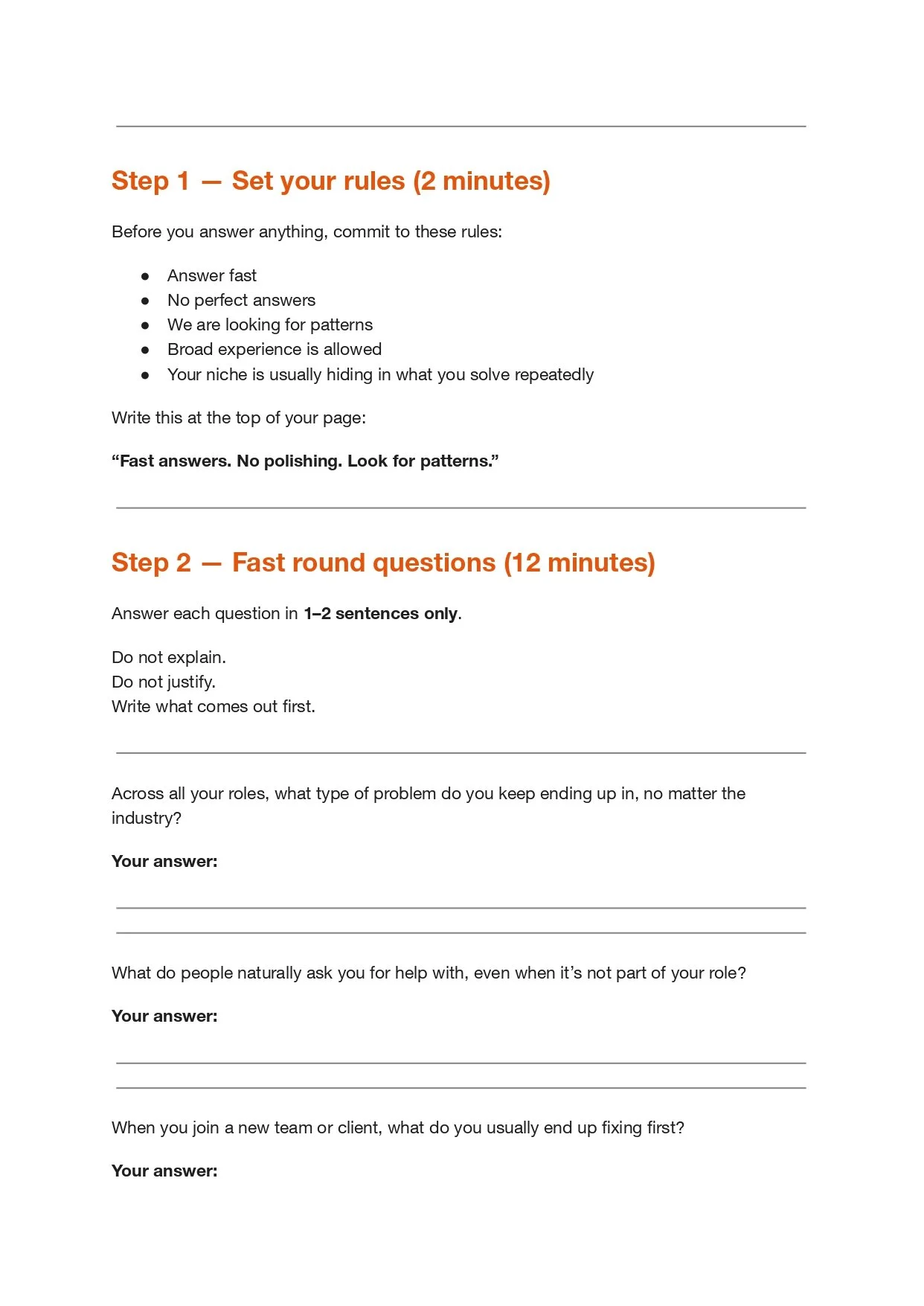
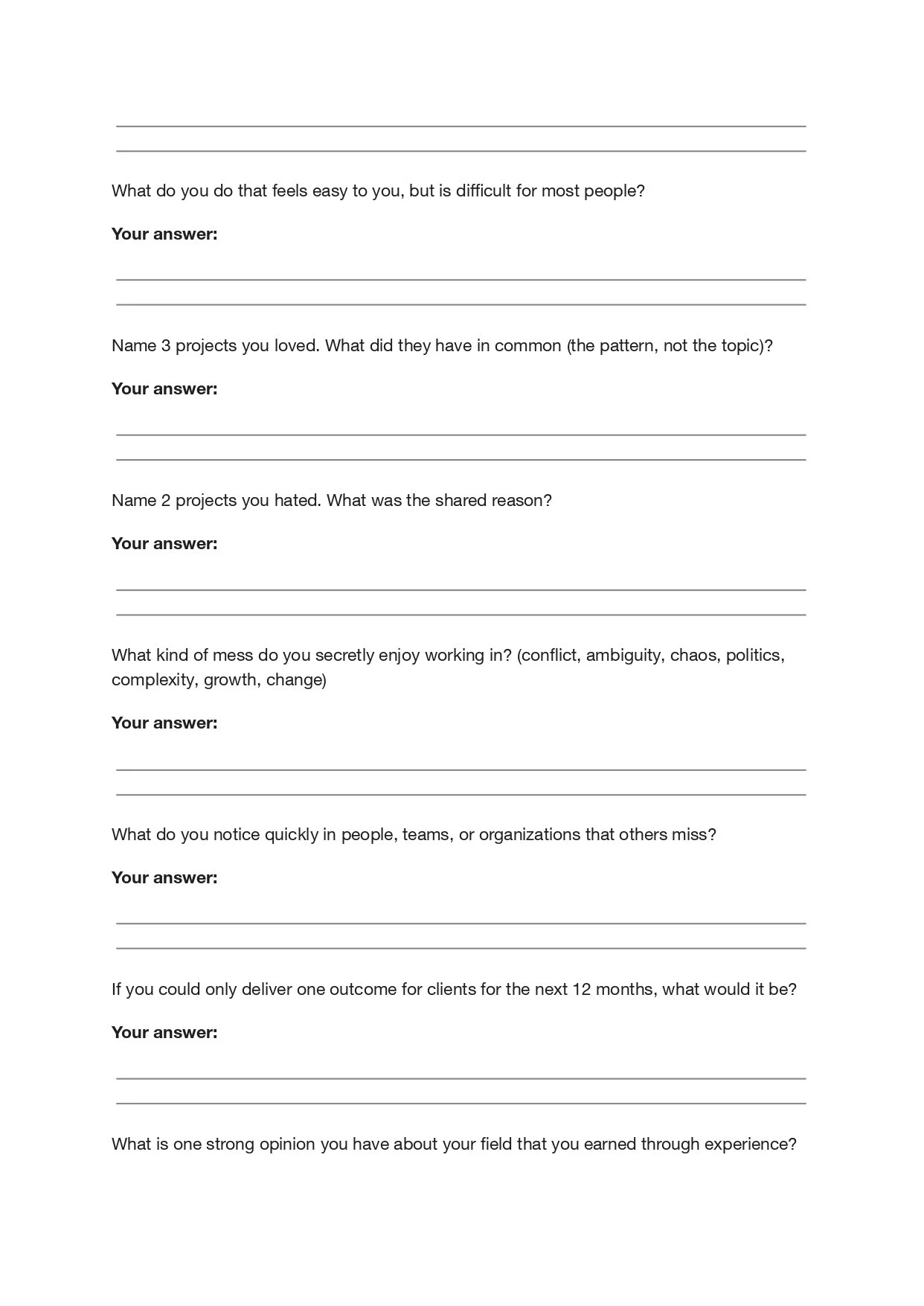
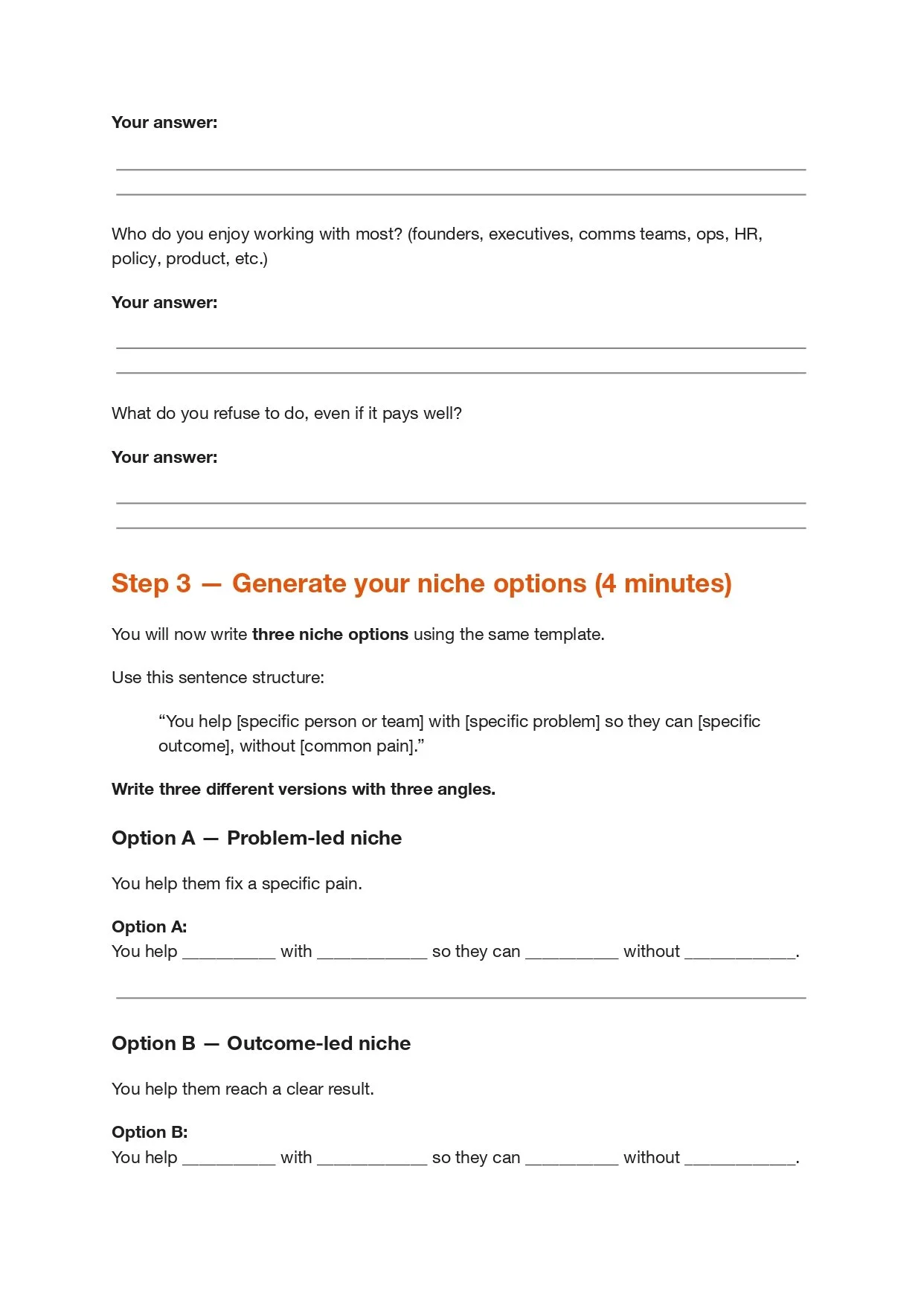
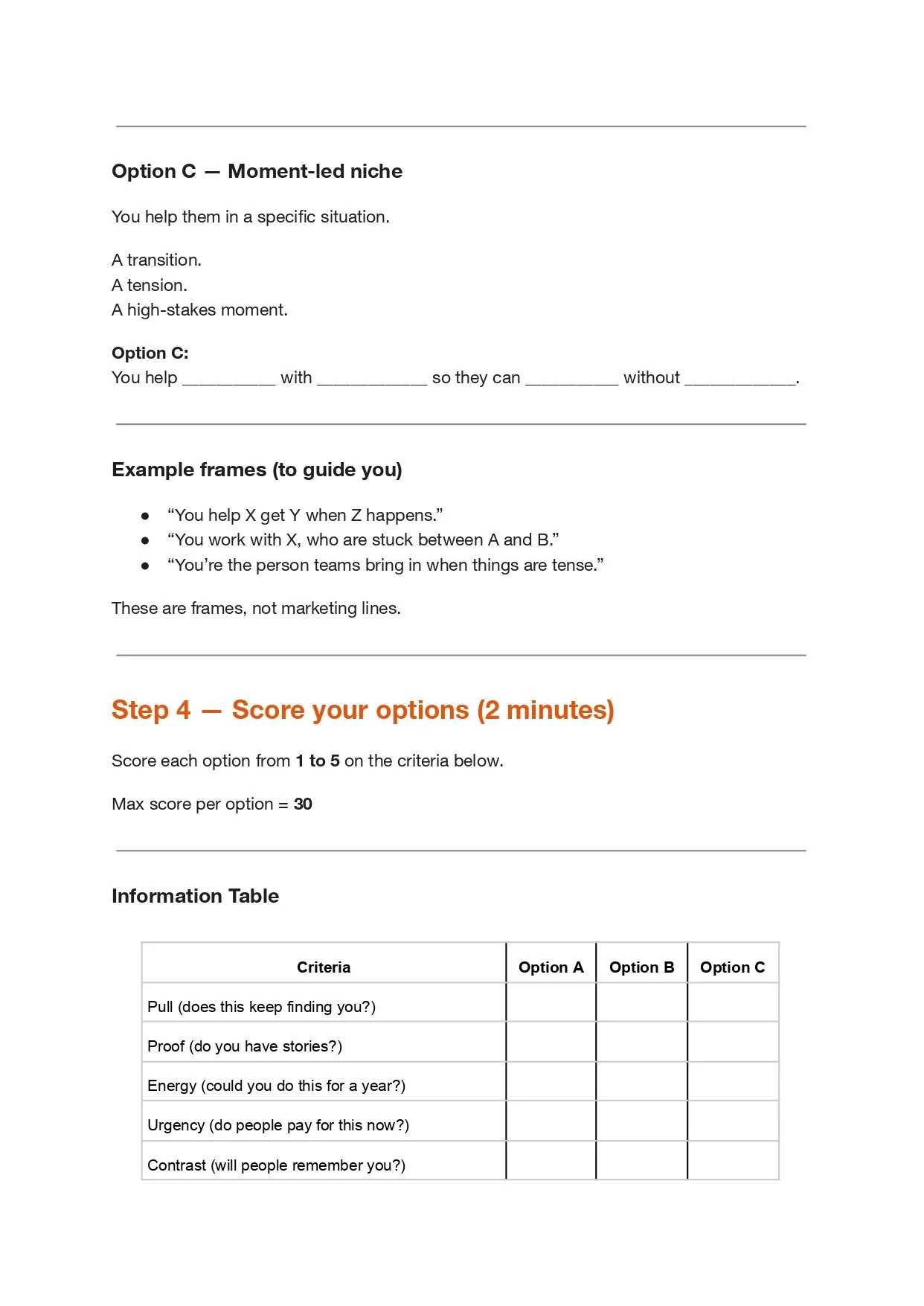
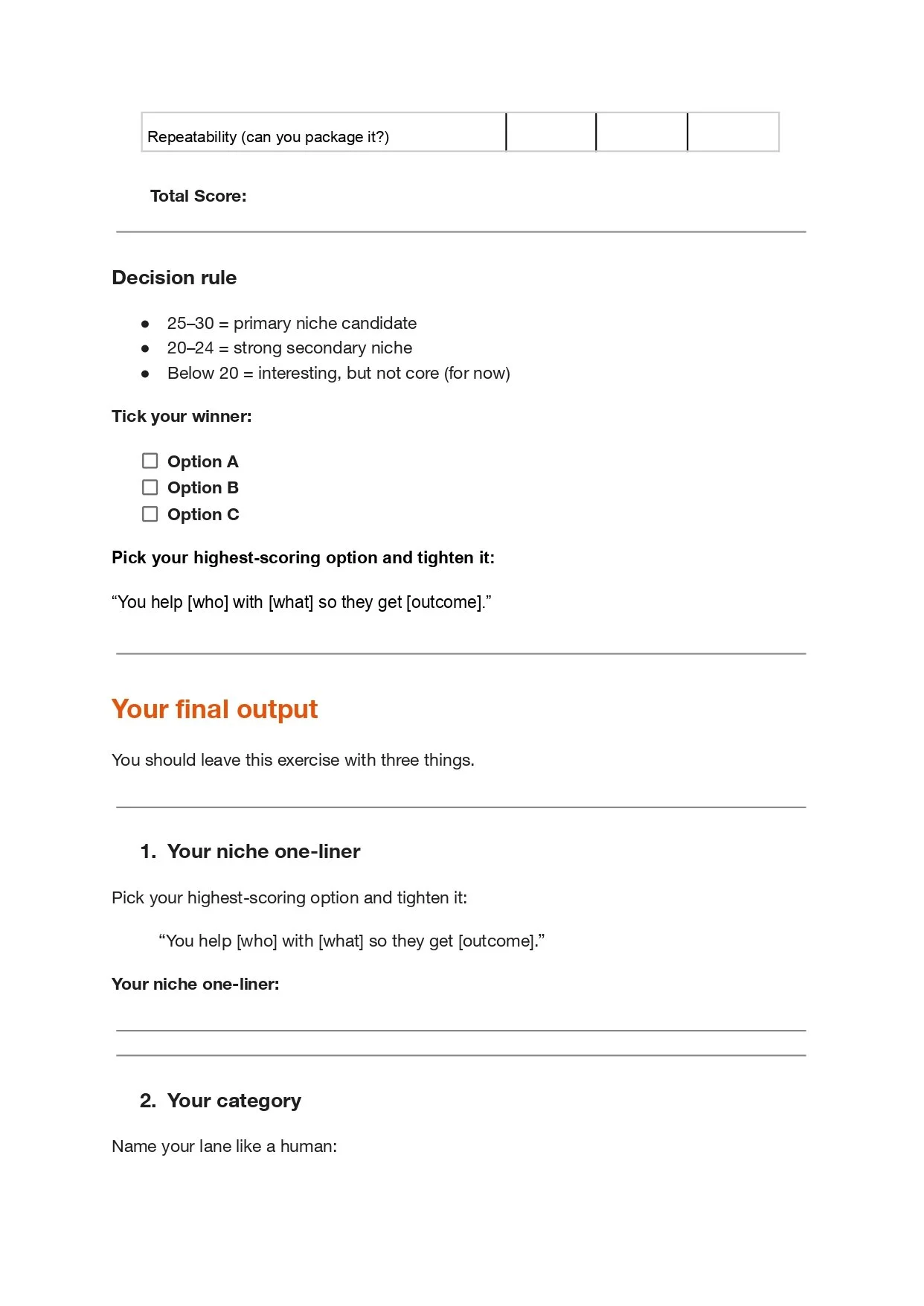
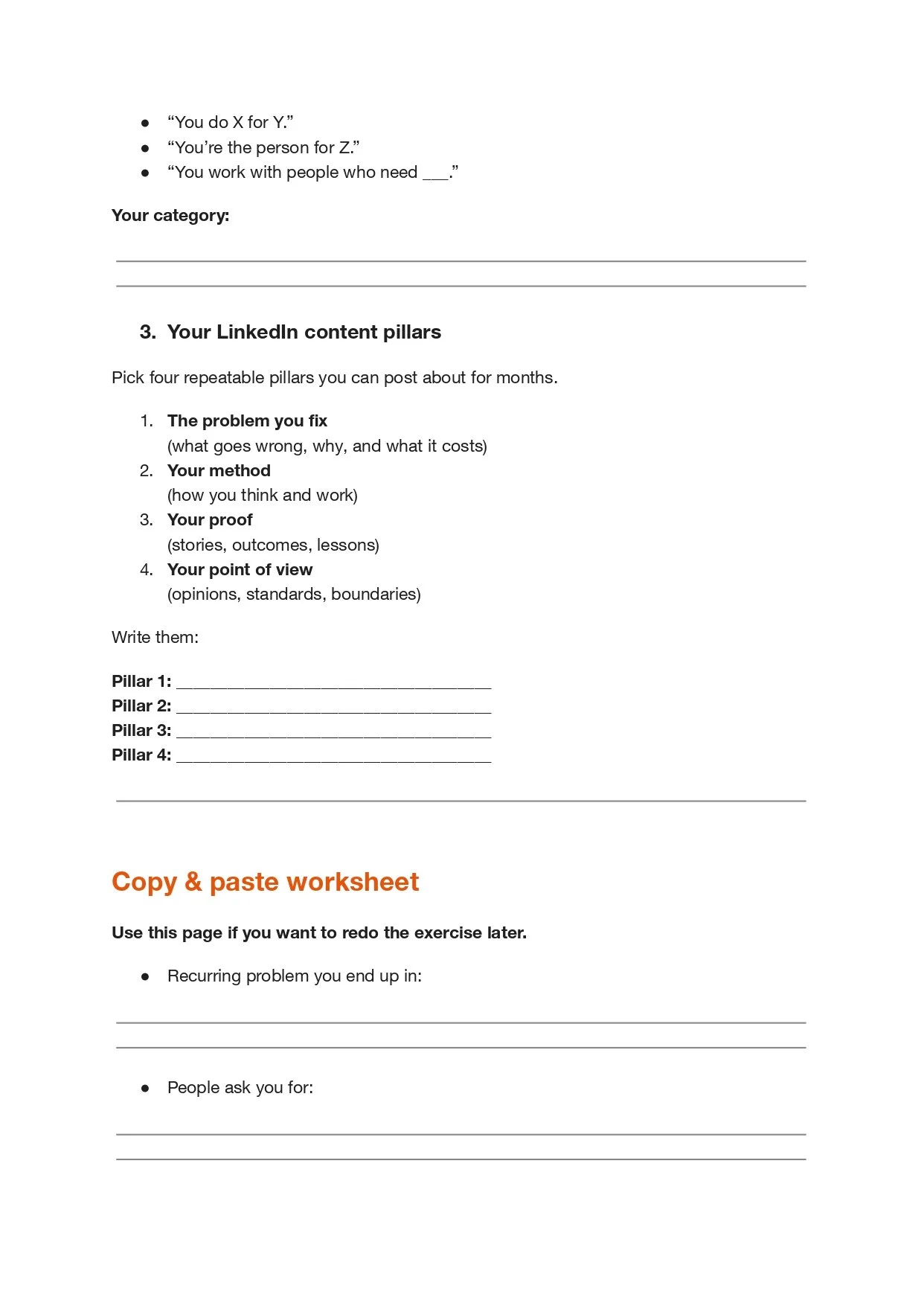
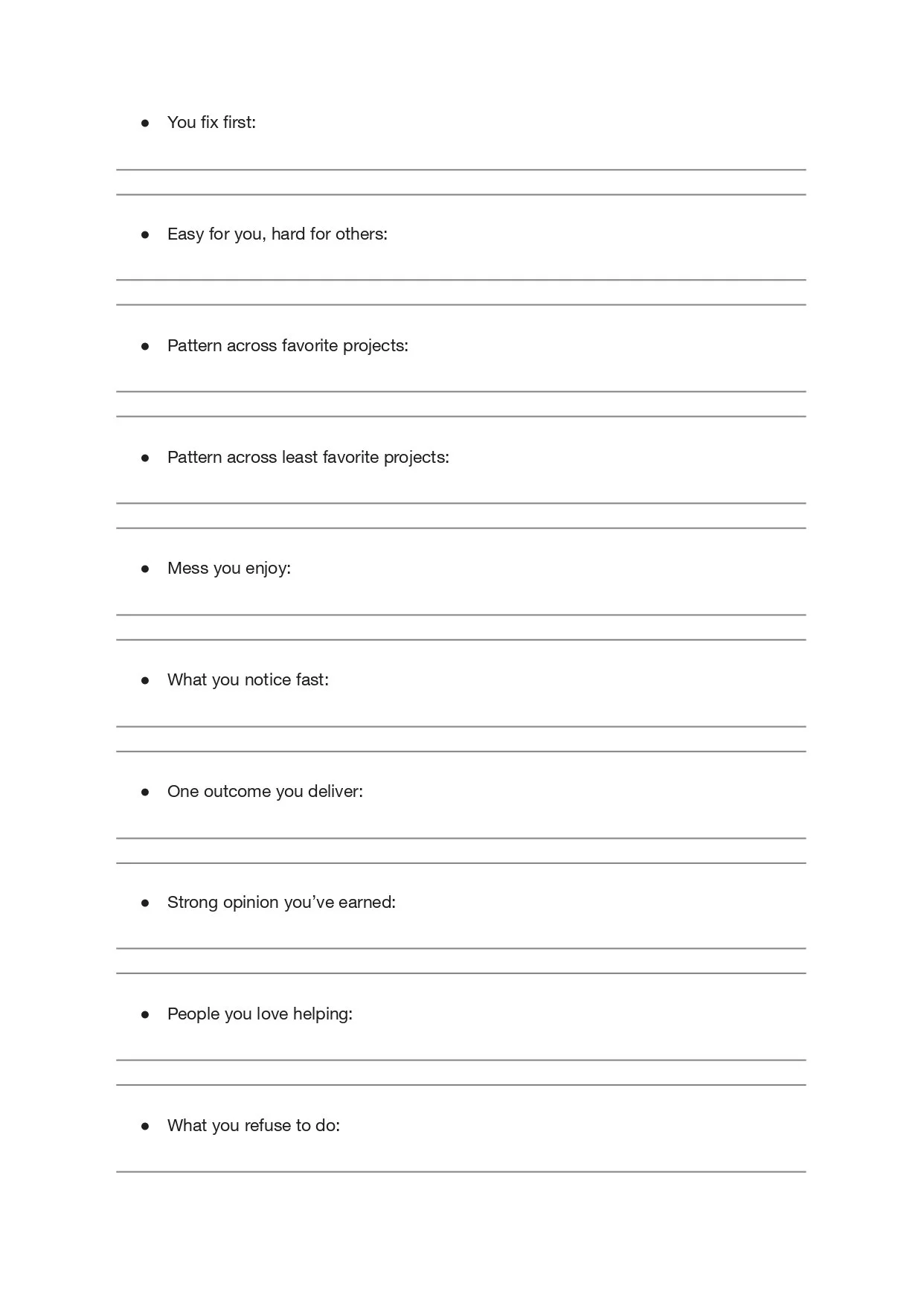
This is the main thing that’s going to help you make LinkedIn work for you.
Have questions about your specific situation? Ask me in the comments.
A niche is how people find you. Your diverse skillset is how they keep you.
—–
👋 I’m Liora. I post daily on LinkedIn to help you stay visible, credible and human in the age of algorithms.
🧠 With The Think Room we find your own or your organization’s DNA, fix your LinkedIn and have AI mention you.
